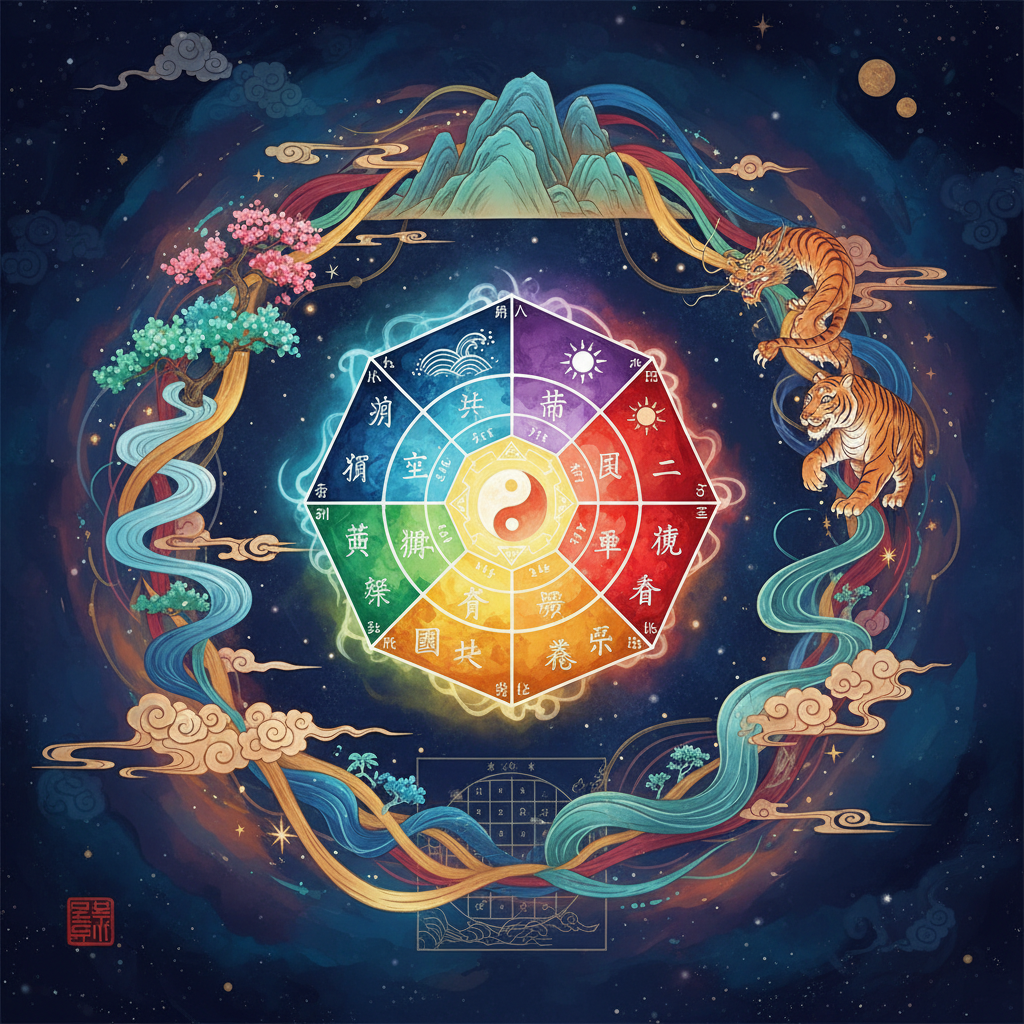
The Historical Roots of Feng Shui and I Ching
Feng Shui, an ancient Chinese practice, embodies a profound understanding of energy, or "qi," and how it flows through our environments. Grounded in the principles of harmony and balance, Feng Shui has been used for thousands of years in creating spaces conducive to health, prosperity, and well-being. The I Ching, known as the Book of Changes, complements Feng Shui by providing insights into the dynamic nature of life through its system of divination. This ancient text has been instrumental in shaping various aspects of Chinese metaphysics, including geomancy—an art that involves interpreting symbols related to the earth's energies.
The Significance of Colors in Feng Shui
Colors play an essential role in the practice of Feng Shui, influencing the energy of a space and our emotional responses to it. Each color is believed to resonate with distinct energies and qualities, impacting aspects such as wealth, love, and health. For example, red symbolizes good fortune and joy; it is often utilized in celebrations and important milestones. Conversely, blue represents tranquility and peace, making it ideal for spaces meant for relaxation and contemplation.
In Feng Shui, color selection is not just a matter of aesthetic preference; instead, it calls for a thoughtful consideration of how certain hues can elevate or diminish the energy in a given area. Integrating the appropriate colors into home decor can lead to a more harmonious environment, enhancing both physical and emotional well-being.
The I Ching and Its Color Associations
The I Ching's philosophical tenets also allude to the significance of colors through its hexagrams, which capture the fluidity of change and human experiences. Each hexagram consists of six lines, either broken (yin) or solid (yang), and can correspond to certain colors. For instance, the trigram associated with gentle wind or wood could relate to green, symbolizing growth and renewal.
Using color in conjunction with the wisdom of the I Ching can deepen one's understanding of life's processes and challenges. Hence, many practitioners of I Ching consult this ancient text not only for guidance but also to select colors that align with their goals or aspirations.
Cultural Practices and Color Symbolism
Color symbolism varies remarkably across different cultures, yet in Chinese society, colors are inherently intertwined with customs, festivals, and traditional practices. The Chinese New Year, for instance, is characterized by vibrant red decorations intended to attract auspicious energy and ward off negative influences.
Furthermore, Chinese wedding ceremonies often incorporate rich, joyful colors such as red and gold to symbolize happiness, prosperity, and good fortune, illustrating how colors convey cultural significance across various life events.
Geomancy and Color Energies
Geomancy, a branch of divination deeply connected to geography and the earth's energies, uses color as a tool to interpret and influences outcomes. Geomancers examine the interplay between earth energies and colors to make predictions about one's future or answer specific queries. The focus on colors allows geomancers to assess an individual's resonance with their environment.
Understanding these relationships helps practitioners harness the earth's energies effectively, ensuring that personal spaces are aesthetically pleasing while supporting their desired outcomes.
The Evolving Role of Colors in Modern Feng Shui
In today's fast-paced world, the traditional principles of Feng Shui and I Ching have adapted to fit contemporary lifestyles. Modern practitioners and designers often incorporate color theory with innovative design elements, enabling people to embrace Feng Shui principles in ways that feel both accessible and relevant.
Color swatches have become popular tools in creating harmonious designs that reflect individual preferences while promoting positive energy flow. This evolution demonstrates how ancient practices can integrate seamlessly with contemporary aesthetics, providing timeless wisdom for enhancing well-being in the modern home.
Conclusion: Embracing Colors for Harmony and Balance
Whether through the historical lens of the I Ching, the practical applications of Feng Shui, or the dynamic interpretations of geomancy, colors remain a vital element in the quest for balance and harmony. By understanding and utilizing the power of colors within these traditions, individuals can create enriching environments that resonate with their personal aspirations and collective cultural heritages.
As we continue to explore the depths of Chinese metaphysics, the role of colors serves as a reminder that even the smallest nuances of our environment can profoundly impact our experiences and well-being. By consciously selecting colors that align with our life intentions, we open the door to integrating harmony and vitality into our lives.