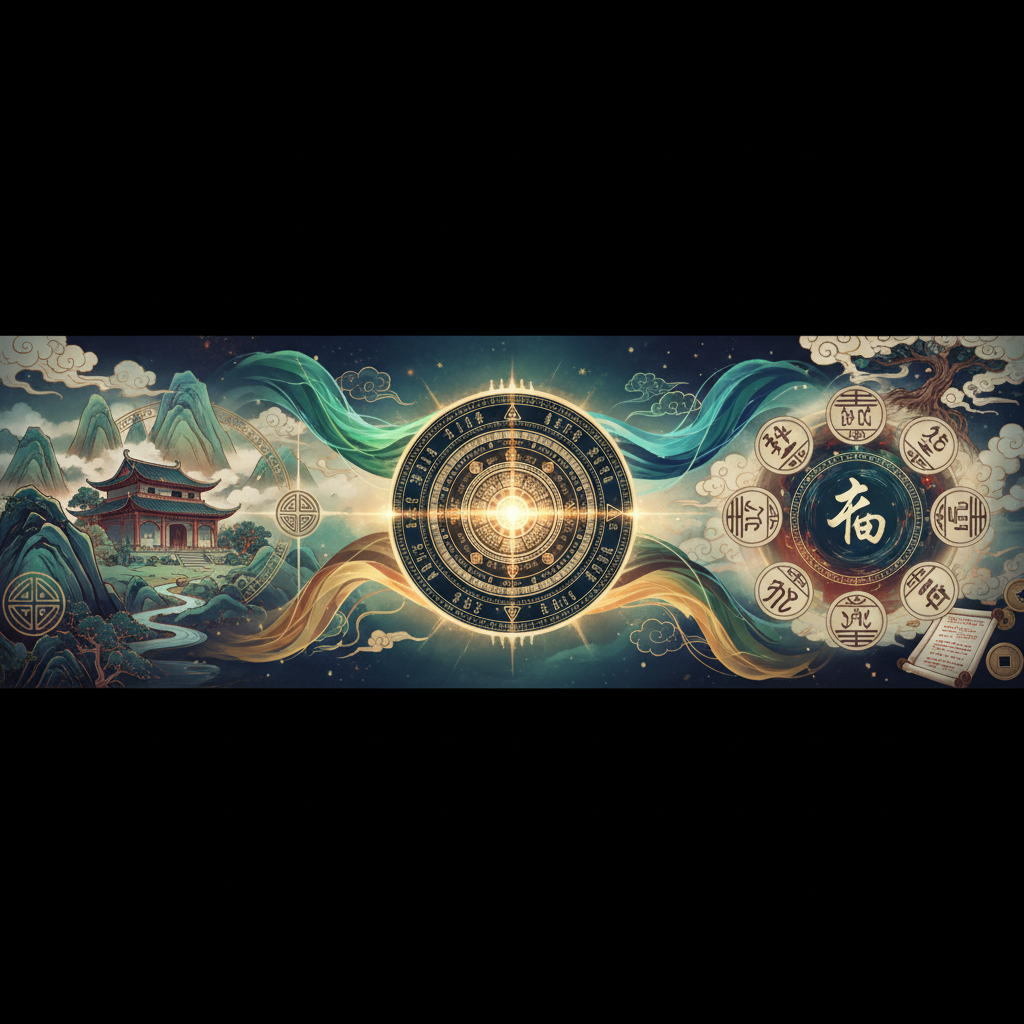
Understanding the Foundations of Feng Shui and I Ching
Feng Shui, a centuries-old practice rooted in ancient Chinese philosophy, serves as a bridge between nature and human existence. At its core, Feng Shui emphasizes the importance of balance, harmony, and the flow of energy, or "Chi." This article delves into the interconnected realms of Feng Shui, the I Ching, Chinese metaphysics, geomancy, and divination, shedding light on their historical contexts and cultural significance.
The I Ching, or Book of Changes, is a foundational text in Chinese metaphysics and serves as a manual for divination. It provides insights on how to navigate change through the use of hexagrams, which represent various life situations and cosmic forces. Both Feng Shui and I Ching share a fundamental belief in achieving harmony through the management of environmental energies.
Historical Context: Ancient Origins of Feng Shui
Feng Shui has its origins in ancient China, dating back over 3,000 years. Initially used for graves and tombs to ensure peace for the deceased, the practice evolved over time to encompass the design of living spaces. The term "Feng Shui" translates to "wind and water," elements that symbolize the importance of flow and movement in both nature and human life.
Historically, Feng Shui was applied by historians, architects, and nobility, influencing the layout of cities and homes. The ancient Chinese believed that the placement of buildings had a direct impact on the well-being of its inhabitants. The practice is interwoven with Daoism and Confucianism, both of which emphasize harmony with nature and societal order.
Exploring Geomancy: The Foundations of Place-Based Energy
Geomancy, known as "divinatory geomancy" in the Western context, plays a significant role in the application of Feng Shui practices. In Chinese metaphysics, geomancy involves interpreting the patterns of soil or land formations to understand their energetic properties. This art allowed practitioners to choose auspicious sites for construction and burial, aligning with the principles of Chi flow.
In ancient China, geomancy was often consulted by kings who sought divine approval for decisions related to land and empire. The techniques developed from geomantic readings have also contributed to landscape design and urban planning, creating spaces that enhance well-being and prosperity.
I Ching: A Tool for Divination and Wisdom
The I Ching remains an influential text not only as a divinatory tool but also as a philosophical treatise. Comprising 64 hexagrams, each formed by a unique combination of broken and unbroken lines, the I Ching provides a framework for navigating life’s uncertainties. The text encourages reflection and adaptability, urging individuals to align themselves with the currents of change.
Adherents commonly consult the I Ching for guidance in personal and practical matters. Through the casting of coins or yarrow sticks, practitioners can derive a hexagram that speaks to their current situation. Each reading is interpreted within the context of the reader's inquiry, offering wisdom that is profoundly applicable in today's fast-paced world.
Cultural Significance: Feng Shui in Contemporary Society
Feng Shui’s influence extends far beyond its historical origins, permeating modern architecture, interior design, and personal well-being practices. Many people today turn to Feng Shui for guidance in their daily lives, seeking to optimize their living environments for health, wealth, and happiness.
Culturally, the practice has globalized, with variations emerging as it adapts to different contexts. From office layouts to decor choices, incorporating Feng Shui principles reflects an understanding of the significance of space and energy flow in achieving optimal living conditions.
Practical Applications: Harmonizing Your Space with Feng Shui
Adopting Feng Shui principles in your environment need not be daunting. Simple changes, such as decluttering spaces, using natural materials, and paying attention to color psychology, can create a more harmonious home. Understanding the Bagua map, a tool used to identify different life areas affected by Chi, can further guide individuals in arranging their spaces in beneficial ways.
Additionally, integrating I Ching principles into daily decision-making can enhance mindfulness and adaptability. By embracing the duality of change and stability, practitioners can cultivate a deeper connection to the world around them.
Conclusion: Embracing the Wisdom of Chinese Metaphysics
Feng Shui, I Ching, and the principles of geomancy and divination each offer unique insights into the relationship between humans and their environment. By understanding and applying these ancient philosophies, individuals can seek not only physical harmony in their spaces but also emotional and spiritual balance in their lives. As our world becomes increasingly complex, the teachings of Feng Shui and I Ching remain ever-relevant, guiding us as we navigate our paths through change.