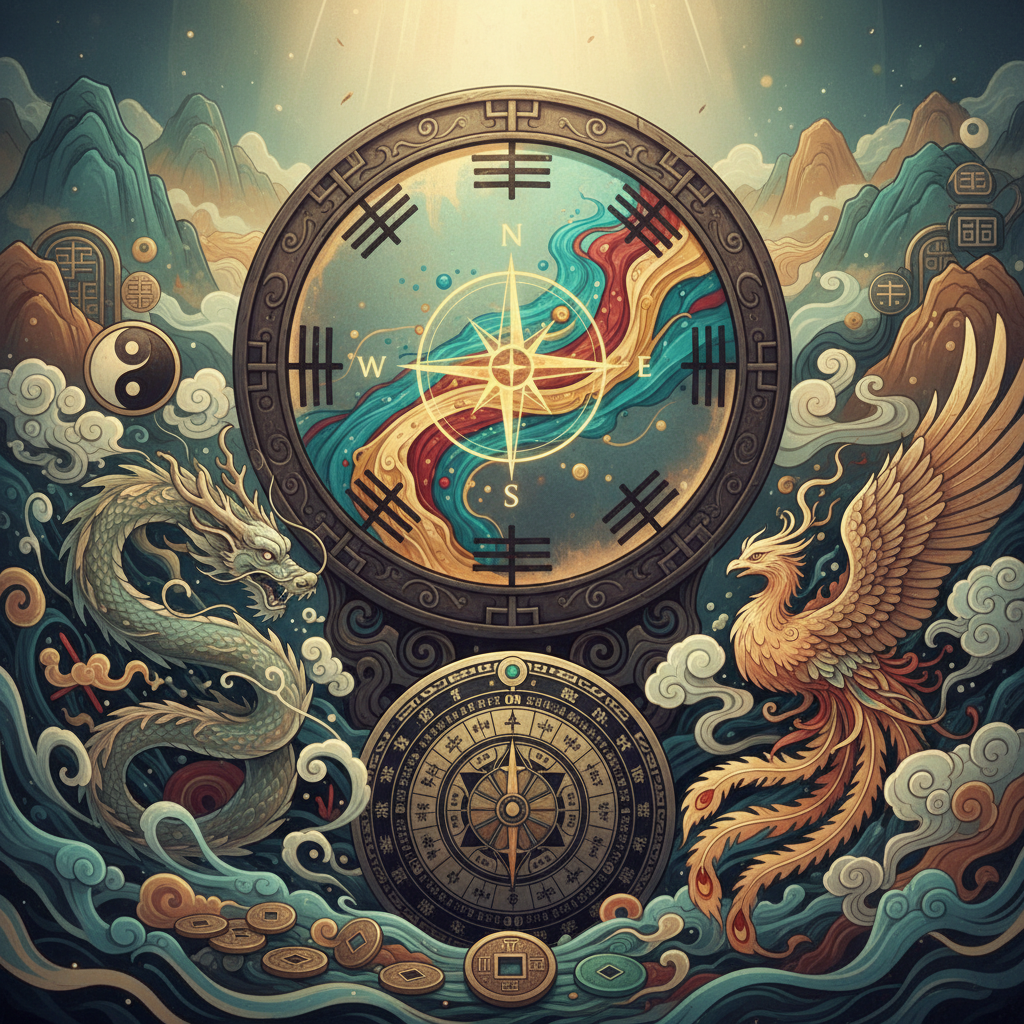
The Cultural Significance of Mirrors in Feng Shui
Mirrors have played an essential role in Chinese culture, serving not only as practical household items but also as potent metaphysical tools. Within the framework of Feng Shui (風水), the ancient Chinese practice that aims to harmonize individuals with their surrounding environment, mirrors are believed to have the ability to amplify energy, also known as "Chi" (气). The placement and orientation of mirrors can influence the flow of this vital energy, thereby affecting one’s peace of mind, prosperity, and well-being.
Historically, the use of mirrors traces back thousands of years in China, where they were crafted from polished bronze before glass mirrors became prevalent. These reflective surfaces were often imbued with symbolic meanings, believed to ward off negative energies or malevolent spirits. The reflective qualities of mirrors made them powerful metaphysical instruments, allowing users not only to see their physical reflection but also to engage with their inner self and the surrounding energy.
Mirrors and the Principles of I Ching
The I Ching (易經), or Book of Changes, is a cornerstone of Chinese metaphysical thought, providing guidance through divination based on a system of hexagrams. In this context, mirrors can also be understood as reflective tools for self-examination and insight. Just as hexagrams reveal potential paths and outcomes, mirrors encourage introspection and self-awareness.
In I Ching philosophy, each hexagram represents different life situations and energies. By using mirrors, individuals can enhance their understanding of these hexagrams, reflecting on their current circumstances and aligning their intentions with the universal flow of energy. This relationship between mirrors and I Ching highlights the interplay of external reflections with internal states, deeply rooted in the pursuit of balance and harmony.
Practical Applications of Mirrors in Feng Shui
When it comes to applying Feng Shui principles, the strategic placement of mirrors can significantly influence the flow of energy within a space. Here are some common practices involving mirrors:
-
Doubling Spaces: Positioning a mirror opposite a window can enhance natural light and create a sense of spaciousness. This technique is beneficial in small areas where expanding perception can promote a more inviting environment.
-
Reflecting Positive Energy: Mirrors should ideally reflect pleasant views, such as gardens or scenic outdoor vistas. This not only enhances the beauty of a space but also serves to attract positive Chi into the home.
-
Avoiding Negative Reflections: Caution should be exercised to avoid reflecting chaos or negativity, such as clutter or aggressive images. Mirrors reflecting undesirable elements can amplify their influence, disrupting harmony.
-
Positioning and Alignment: The best placements encourage easy movement in and out of spaces without obstruction. Mirrors facing entrances can help draw in good fortune, but must be aligned carefully to prevent inviting in adverse energies.
Mirrors in the Practice of Geomancy and Divination
Geomancy, or divinatory practices that utilize Earth’s energy patterns, can also intersect with the use of mirrors. In this practice, the placement of mirrors can inform understanding of energetic landscapes and affect divination outcomes. The act of divining with mirrors can engage similar principles to those found in I Ching readings, where reflection plays a crucial role.
One notable technique involves using mirrors to reflect specific hexagrams or geomantic figures during divination sessions. This reflection can enhance focus, allowing diviners to delve deeper into their insights and facilitate a clearer connection with the metaphysical energies at play.
Psychological Perspectives: The Power of Reflection
The psychological implications of mirrors go beyond their physical attributes. Mirrors symbolize a journey of self-discovery and personal growth. In Feng Shui, they bridge the gap between the outer environment and inner peace. By understanding how to incorporate mirrors meaningfully, individuals tap into both ancient wisdom and modern psychological principles, fostering mindfulness and self-reflection.
In closing, mirrors in Feng Shui, I Ching, geomancy, and divination embody a profound relationship between physical space and energetic flow. By utilizing mirrors thoughtfully, practitioners can create a balanced environment that reflects not only their exterior surroundings but also their inner landscapes, leading to a more harmonious existence. Embracing the ancient practices surrounding mirrors provides a holistic approach to enrichment and self-awareness, appealing to both traditionalists and contemporary seekers alike.