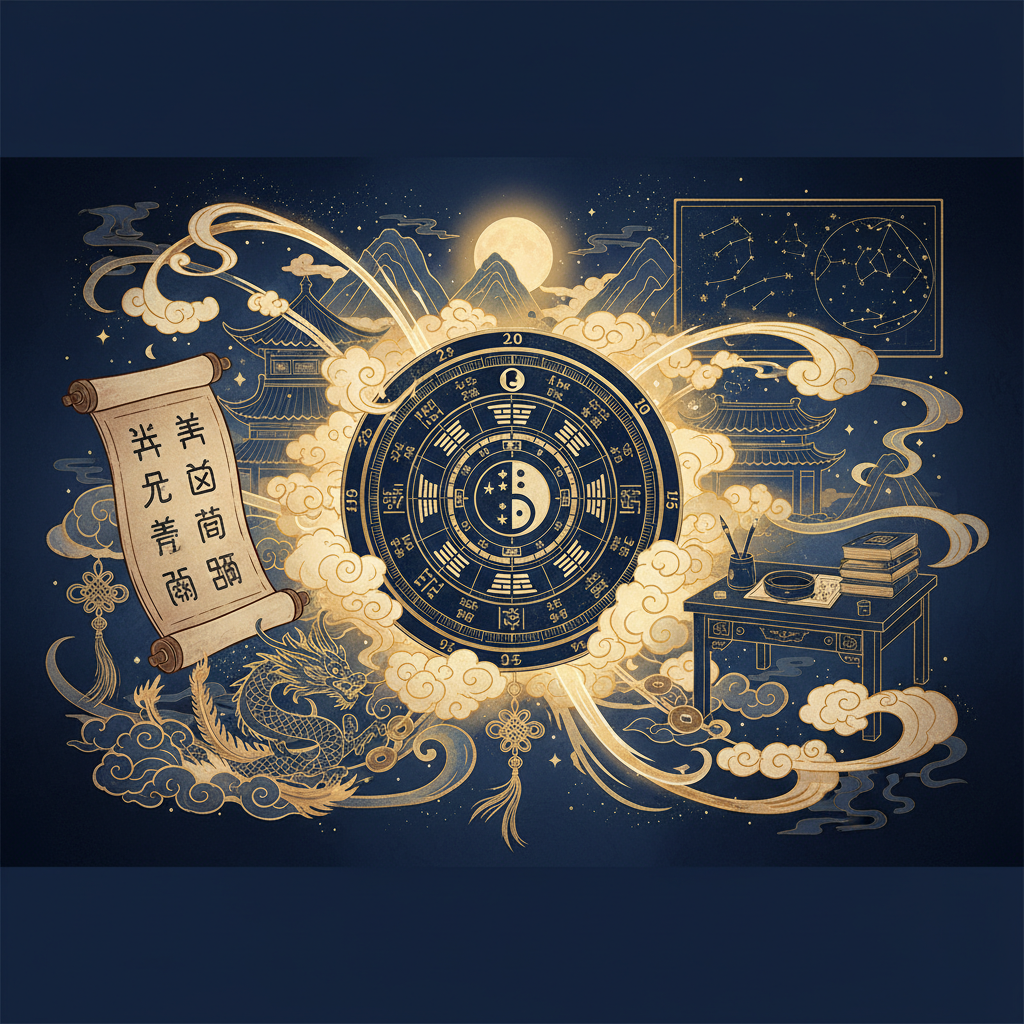
Understanding Feng Shui: The Flow of Energy
Feng Shui, an ancient Chinese practice, revolves around the concept of chi, or vital energy, influencing the environment and its inhabitants. The term literally translates to "wind" (feng) and "water" (shui), symbolizing the importance of natural forces in creating a harmonious space. Dating back over 3,000 years, Feng Shui is deeply rooted in Chinese culture and philosophy, encompassing principles from Taoism and Confucianism. It highlights the belief that our surroundings can significantly impact our well-being and fortune.
Feng Shui encompasses various aspects, including layout, direction, and even color schemes, all adhering to its foundational principle: aligning individual energies with the environment for a balanced existence. These practices aren't merely about aesthetics; they have profound implications for health, wealth, and relationships in the practitioner’s life.
The I Ching: An Ancient Oracle of Wisdom
The I Ching, or Book of Changes, is one of the oldest classical Chinese texts, dating back to around 1000 BCE. It serves as both a philosophical work and a divination tool, offering advice on how to navigate the complexities of life. The I Ching consists of 64 hexagrams, each composed of six lines that are either broken (yin) or unbroken (yang), representing the dual nature of reality.
As individuals consult the I Ching for guidance, they cast coins or yarrow sticks, interpreting the resulting hexagram. Each hexagram correlates to various life situations, emphasizing the importance of adaptation and understanding cyclical change. In this aspect, the I Ching complements Feng Shui, as both disciplines seek to harmonize human life with the universe’s rhythms.
The Role of Geomancy in Chinese Metaphysics
Geomancy is a form of divination grounded in interpreting the patterns made by randomly tossed objects or marked ground. Integral to Chinese metaphysics, geomancy provides insights into the earth’s chi and its interaction with human life. This practice dates back to ancient societies where the principles of land assessment were crucial for agriculture and settlement planning.
In the context of Feng Shui, geomantic influences are significant. The terrain’s shape, water bodies, and even the placement of mountains can enhance or disrupt the flow of chi. Practitioners seek auspicious sites for construction and avoid spaces with negative energy. This practice is deeply tied to cultural beliefs about luck, prosperity, and health, making it a vital aspect of life decisions in many areas.
Divination: The Art of Reading Life’s Patterns
Divination, an ancient art intertwined with spiritual traditions, plays a critical role in Chinese metaphysics. Through methods like palmistry, astrology, and numerology, diviners seek to interpret signs and patterns, often leading individuals towards understanding their destiny. In this realm, palm reading holds a special place, revealing insights into character, potential challenges, and life purposes.
Palmistry references the shape, lines, and mounts of the hands, which signal various traits and life events. The intertwining of Feng Shui and palmistry signifies a holistic approach to understanding oneself and one's environment. While Feng Shui guides the external aspects of life, palmistry delves into the internal characteristics, creating a complete understanding of personal destiny.
Cultural Significance and Global Influence
The cultural significance of Feng Shui, I Ching, and geomantic practices transcends China’s borders, influencing various aspects of architecture, urban planning, and individual lifestyles worldwide. As these ancient arts gain more global recognition, countless practitioners and enthusiasts incorporate their principles into contemporary life.
Moreover, in today’s fast-paced world, these practices encourage mindfulness and a deeper connection to one’s surroundings, promoting mental clarity and emotional balance. As individuals turn to ancient wisdom for guidance, they acknowledge that the harmony between humanity and nature is vital for well-being.
Conclusion: Embracing Ancient Wisdom
In summary, the interconnected realms of Feng Shui, the I Ching, geomancy, and divination offer profound insights into the human experience. Rooted in a rich historical context, these practices emphasize the importance of balance and harmony with our environment. By integrating these ancient principles into modern life, individuals can create spaces that resonate with positive energy and align with their destinies, enriching their journey through the complexities of existence. Whether for personal enlightenment or spatial design, the wisdom of Chinese metaphysics remains a guiding light, illuminating the path toward a more harmonious life.