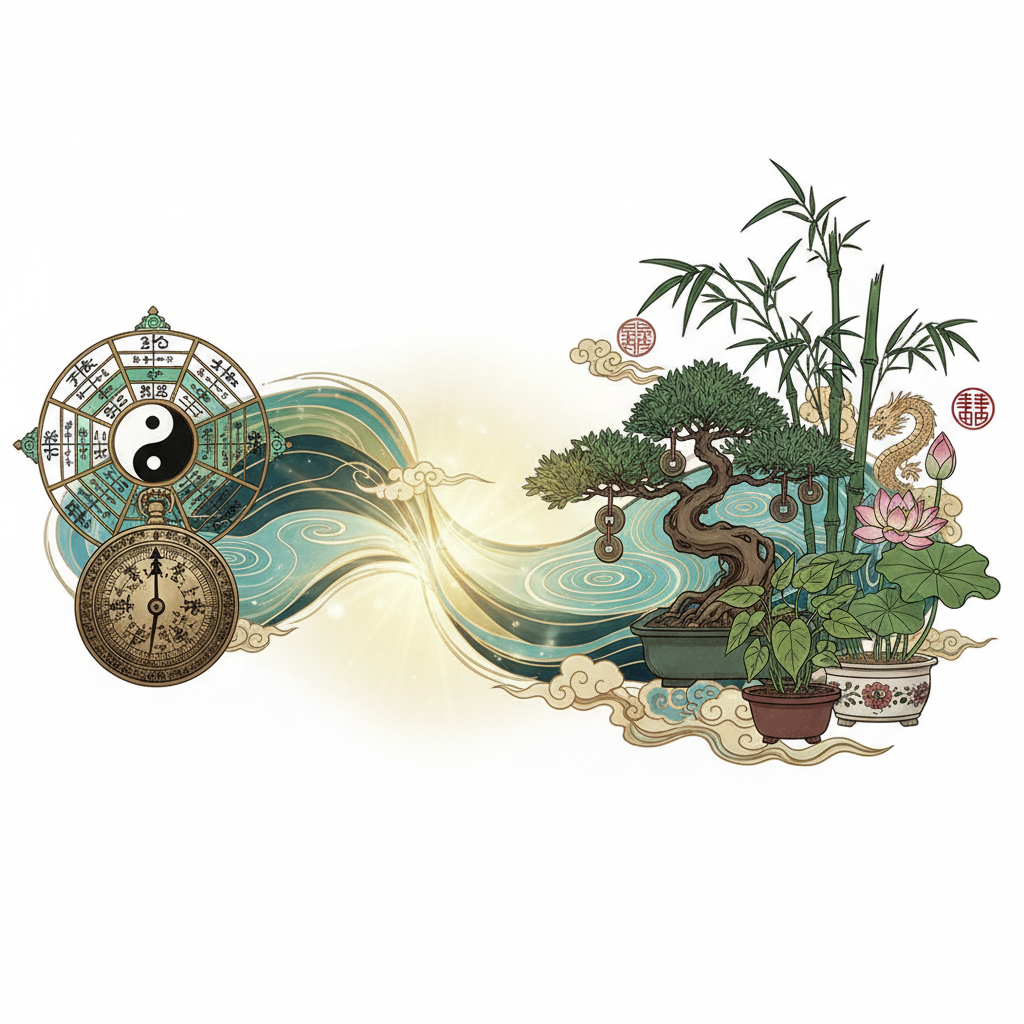
Understanding Feng Shui and Its Cultural Roots
Feng Shui, an ancient Chinese practice, literally translates to "wind and water." This intricate art focuses on the arrangement of space and objects to promote harmony and balance in our environments. Rooted in Chinese metaphysics, Feng Shui draws connections to the I Ching, a classic text of divination that provides insights into the underlying principles of the universe. Historically, Feng Shui was utilized by Chinese emperors to position their palaces and cities strategically, allowing them to tap into natural energies for prosperity and protection.
The cultural significance of Feng Shui extends beyond mere aesthetics. It embodies a philosophy that emphasizes the connections between humanity and nature. By harmonizing the environment through careful design and placement, practitioners believe they can cultivate a space that fosters well-being, wealth, and happiness.
The Role of Plants in Feng Shui Practice
Within the context of Feng Shui, the placement and type of plants can significantly influence the energy of a space. Plants are considered powerful symbols of growth and vitality, making them essential elements in this practice. They purify the air, absorb negative energies, and can symbolize prosperity when selected thoughtfully.
Different plants are associated with specific elements and can enhance various life areas, known as "Bagua." For instance, bamboo is linked to flexibility and strength, while money trees are believed to attract wealth. Understanding these associations allows practitioners to curate a garden or indoor space that aligns with their desired outcomes.
The I Ching and Its Influence on Plant Selection
The I Ching, or Book of Changes, is one of the oldest sacred texts in Chinese culture and plays an integral role in Chinese metaphysics. It offers wisdom that encourages individuals to embrace change, as it is inevitable and a natural part of life. This concept of change is mirrored in the growth of plants, which can serve as excellent metaphors for personal transformation and resilience.
When selecting plants for Feng Shui purposes, individuals often turn to the teachings of the I Ching. By looking to the trigrams and hexagrams, practitioners can uncover which plants align with their current life circumstances or intentions. For example, hexagram 4, "Youthful Folly," underscores the need for learning and growth—an ideal reminder when nurturing a new plant in your home.
Geomancy: The Earth’s Influence on Plant Energy
Geomancy, or divination through Earth, involves interpreting the patterns of the land to discern its energy. Those who practice geomancy believe that understanding the earth's energies can greatly enhance the effectiveness of Feng Shui. The placement of plants relates to geomancy as the flow of energy in the earth can impact their growth and vitality.
In Feng Shui, plants should be placed in areas that align with the energy of the land, whether it’s a garden filled with blooming flowers or a simple houseplant on a countertop. Practitioners encourage individuals to observe their surroundings: Are there any geological features or energies that correspond to certain plant types? This consideration can significantly enhance the Feng Shui characteristics of any space.
The Harmonious Balance: Feng Shui, Plants, and Well-Being
Integrating plants into one’s Feng Shui practice translates into a broader approach to well-being. The interaction between humans and plants can foster a sense of relaxation, decrease stress, and improve overall mental health. Scientific studies have demonstrated that the presence of plants can enhance mood and productivity, supporting the claims made by Feng Shui practitioners.
Additionally, plants contribute to the life force known as “Qi” in Feng Shui. This vital energy flows through spaces and is essential for maintaining harmony. By carefully selecting and placing plants, individuals can cultivate a sanctuary that promotes positive energy flow, enhancing both the environment and their mental clarity.
Practical Tips for Using Plants in Feng Shui
-
Assess Your Space: Before introducing plants, evaluate the layout and natural light of your home or garden. Consider your primary intentions—whether you're seeking to attract wealth, foster relationships, or invite tranquility.
-
Choose Wisely: Select plants that resonate with your intentions. For wealth, consider the money tree; for health, choose a snake plant, known for its air-purifying properties.
-
Maintain Balance: Avoid overcrowding your space with too many plants. Each plant should have adequate space to grow and thrive, mirroring the concept of personal space in relationships.
-
Keep Plants Healthy: Regularly care for them to ensure they thrive. A wilting plant may symbolize stagnation in the energy flow of your home.
-
Observe the Flow of Qi: Place plants in locations that create pathways for Qi to flow freely. Strategic arrangement can enhance the abundance of positive energy throughout your space.
By intertwining the art of Feng Shui with the natural vitality of plants, individuals can enhance their environments and create harmonious spaces that nurture both body and spirit. Combining ancient wisdom with modern practices establishes a connection to nature, cultivating tranquility and balance in the fast-paced world we live in.